
What Does Original Medicare Actually Cover? The Dental, Vision, and Hearing Gaps
If you’re on Original Medicare — or getting ready to enroll — you’ve probably heard that it covers “a lot.” And it does. Hospital stays, doctor visits, preventive screenings, and prescription drugs are all part of the picture. But there’s a catch that catches almost everyone off guard: Original Medicare does not cover routine dental, vision, or hearing care.
That means cleanings, fillings, eye exams for glasses, and hearing aids are largely on you. And those costs add up fast.
Let’s break down exactly what Original Medicare covers — and where the gaps are — so you can plan ahead.
Does Medicare Cover Dental Care?
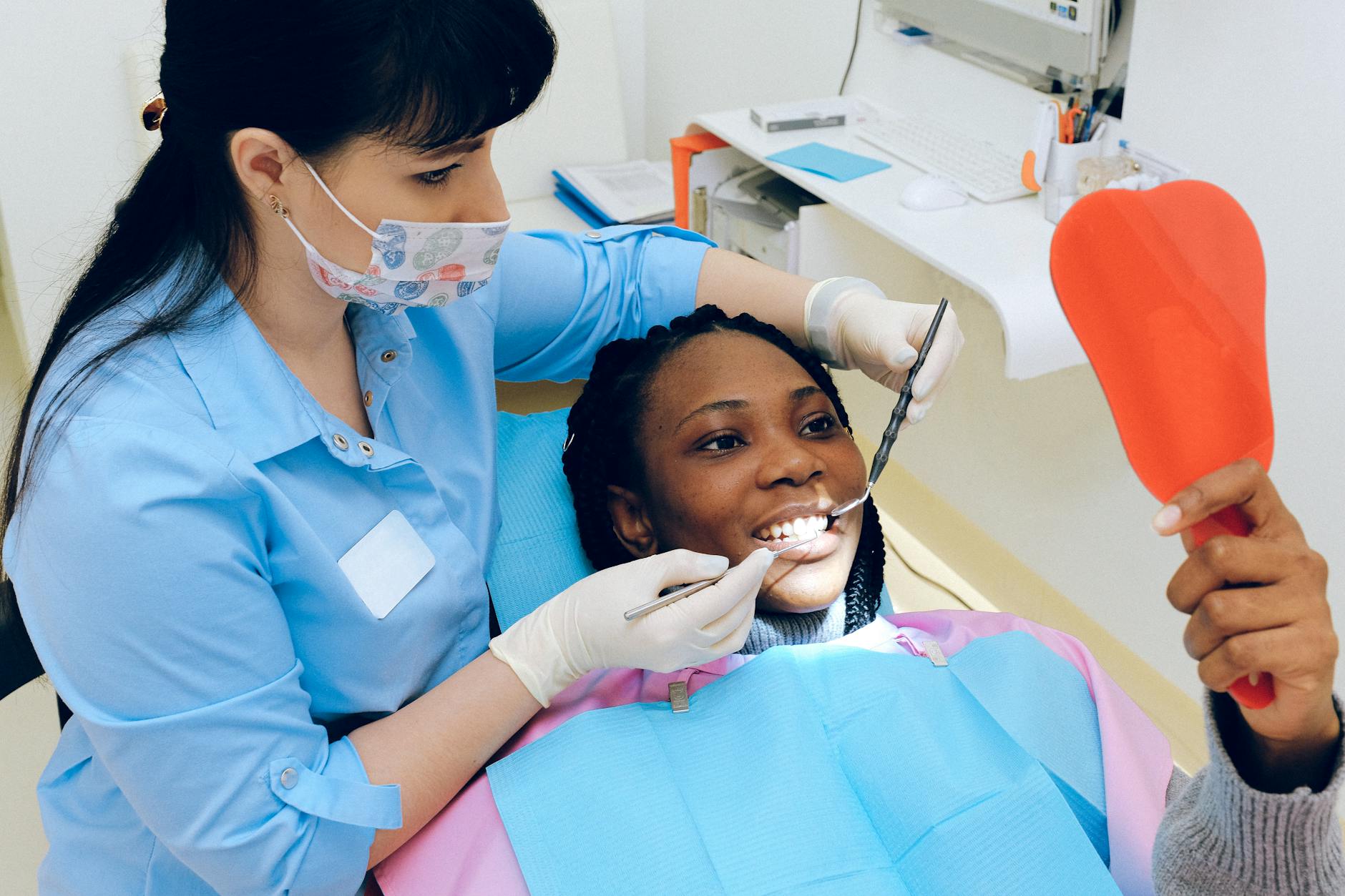
No — not routine dental care. Original Medicare (Parts A and B) does not pay for cleanings, fillings, extractions, dentures, or dental implants. According to Medicare.gov, these services are excluded from coverage.
There are limited exceptions. Part A will cover dental services that are medically necessary in connection with a covered hospital stay — for example, if you need jaw reconstruction after an accident. But if you’re walking into a dentist’s office for a routine cleaning or a crown, Original Medicare won’t help.
The numbers tell the story. A single dental implant costs between $3,000 and $7,000 without insurance, according to GoodRx and multiple dental cost guides for 2026. A simple filling can run $200 to $600. Dentures range from $1,000 to $3,000 per arch. If you’re on a fixed income, these aren’t small numbers.
Does Medicare Cover Vision Care?
Mostly no. Original Medicare does not cover routine eye exams for glasses or contact lenses, and it doesn’t pay for the glasses or contacts themselves.
There are three exceptions under Part B:
- Glaucoma tests — covered once every 12 months if you’re at high risk
- Diabetic retinopathy screening — covered once a year if you have diabetes
- Macular degeneration treatment — diagnostic tests and some treatments are covered
But a routine eye exam to update your prescription? That’s out of pocket. A comprehensive eye exam typically costs $100 to $250, and a new pair of frames with lenses runs $200 to $600 or more.
Does Medicare Cover Hearing Care?
No. Original Medicare does not cover routine hearing exams or hearing aids. Part B will cover diagnostic hearing exams if your doctor orders them, but the exams themselves, the hearing aids, and the fitting are not covered.
The cost of hearing aids is a real shock for many seniors. A single hearing aid can cost $2,000 to $7,000, and most people need two. Over-the-counter hearing aids are now available at lower price points ($200 to $1,000), but they’re not a fit for everyone, and Medicare still doesn’t cover them.
Why Do These Gaps Matter?
Dental, vision, and hearing aren’t luxuries — they’re essential to daily life and overall health. Research consistently links untreated dental problems to heart disease and diabetes complications. Vision loss increases fall risk. Hearing loss is connected to cognitive decline and social isolation.
When Original Medicare leaves these costs uncovered, many seniors either delay care or pay entirely out of pocket. That’s a financial strain that’s easy to underestimate — until you’re facing a $5,000 dental bill or a $4,000 hearing aid purchase with no coverage to soften the blow.
What Are Your Options to Fill the Gaps?
You have several paths to get dental, vision, and hearing coverage. Here’s a quick look:
Medicare Advantage (Part C) Plans
Most Medicare Advantage plans include supplemental dental, vision, and hearing benefits that Original Medicare doesn’t offer. According to Healthline, more than 97% of Medicare Advantage plans now offer some level of dental, vision, and hearing coverage. These plans are offered by private insurers and must provide at least the same benefits as Original Medicare, with extras added on.
The trade-off: Medicare Advantage plans often come with network restrictions, prior authorization requirements, and varying levels of coverage. A plan that advertises “dental coverage” might only cover preventive care (cleanings and X-rays) while leaving major procedures like implants or crowns at 50% coinsurance or excluded entirely.
Medicare Supplement (Medigap) Plans
Medigap plans help cover the out-of-pocket costs that Original Medicare doesn’t — things like deductibles, copayments, and coinsurance. While Medigap plans don’t typically include standalone dental, vision, or hearing benefits, they give you predictable healthcare costs for the services Original Medicare does cover. That predictability frees up budget room for you to invest in standalone dental, vision, or hearing coverage separately.
Standalone Dental, Vision, and Hearing Plans
You can purchase individual dental insurance, vision insurance, or hearing aid plans directly from private insurers. These are separate from your Medicare coverage and give you dedicated benefits for those specific services. Premiums are often modest — many dental plans run $20 to $50 per month — and they can save you significantly on routine and major care.
How Do You Choose the Right Approach?
There’s no single right answer — it depends on your health needs, budget, and preferences. Here’s what to consider:
- How often do you visit the dentist, eye doctor, or audiologist? If you need regular care, a plan with robust DVH benefits may pay for itself quickly.
- Are you comfortable with network restrictions? Medicare Advantage plans often have provider networks. If your dentist or audiologist isn’t in-network, you may pay more or need to switch providers.
- Do you want predictable costs? Medigap plans offer consistent, predictable cost-sharing for Original Medicare services, which can help you budget for supplemental coverage separately.
- What’s your budget? Standalone plans give you targeted coverage without changing your Original Medicare setup. They’re often the simplest and most affordable option for people who primarily need dental or vision help.
The Bottom Line
Original Medicare is a strong foundation for hospital and medical coverage — but it wasn’t designed to cover everything. Dental, vision, and hearing care are significant gaps that affect millions of seniors, and the costs of ignoring them can be serious for both your health and your wallet.
The good news? You have options. Whether it’s a Medicare Advantage plan with DVH benefits, a Medigap plan that makes your core healthcare costs predictable, or a standalone dental or vision plan — there’s a path to closing these gaps.
The key is to plan ahead, not after. The best time to understand your coverage is before you need the care — not when you’re sitting in the dentist’s chair facing a bill you didn’t expect.
Trek Insurance Solutions is a Third-Party Marketing Organization (TPMO). We do not offer every plan available in your area. Any information we provide is limited to those plans we do offer in your area. Please contact Medicare.gov or 1-800-MEDICARE to get information on all of your options.
888-960-0442 · trekis.net