
Original Medicare Dental Vision Hearing Gaps: What It Doesn’t Cover
If you’re on Original Medicare, there’s a good chance you’ve already discovered something the brochures don’t emphasize: dental cleanings, eye exams, and hearing aids aren’t included. For seniors on fixed incomes, these aren’t luxuries — they’re essentials. And when the coverage isn’t there, the costs fall on you.
Here’s what you need to know about the dental, vision, and hearing gaps in Original Medicare, and what options exist to fill them.
What Does Original Medicare Actually Cover?
Original Medicare — Medicare Part A (hospital insurance) and Part B (medical insurance) — focuses on medically necessary care. That means doctor visits, hospital stays, preventive screenings, and emergency room trips. It’s solid coverage for the things it does cover.
But dental, vision, and hearing? Those fall into a different category. Medicare considers them routine, not medically necessary — so they’re largely excluded from Original Medicare’s benefits.
That exclusion has real consequences. According to the Kaiser Family Foundation, roughly half of Medicare beneficiaries don’t have dental coverage, and many skip or delay care because of the cost.
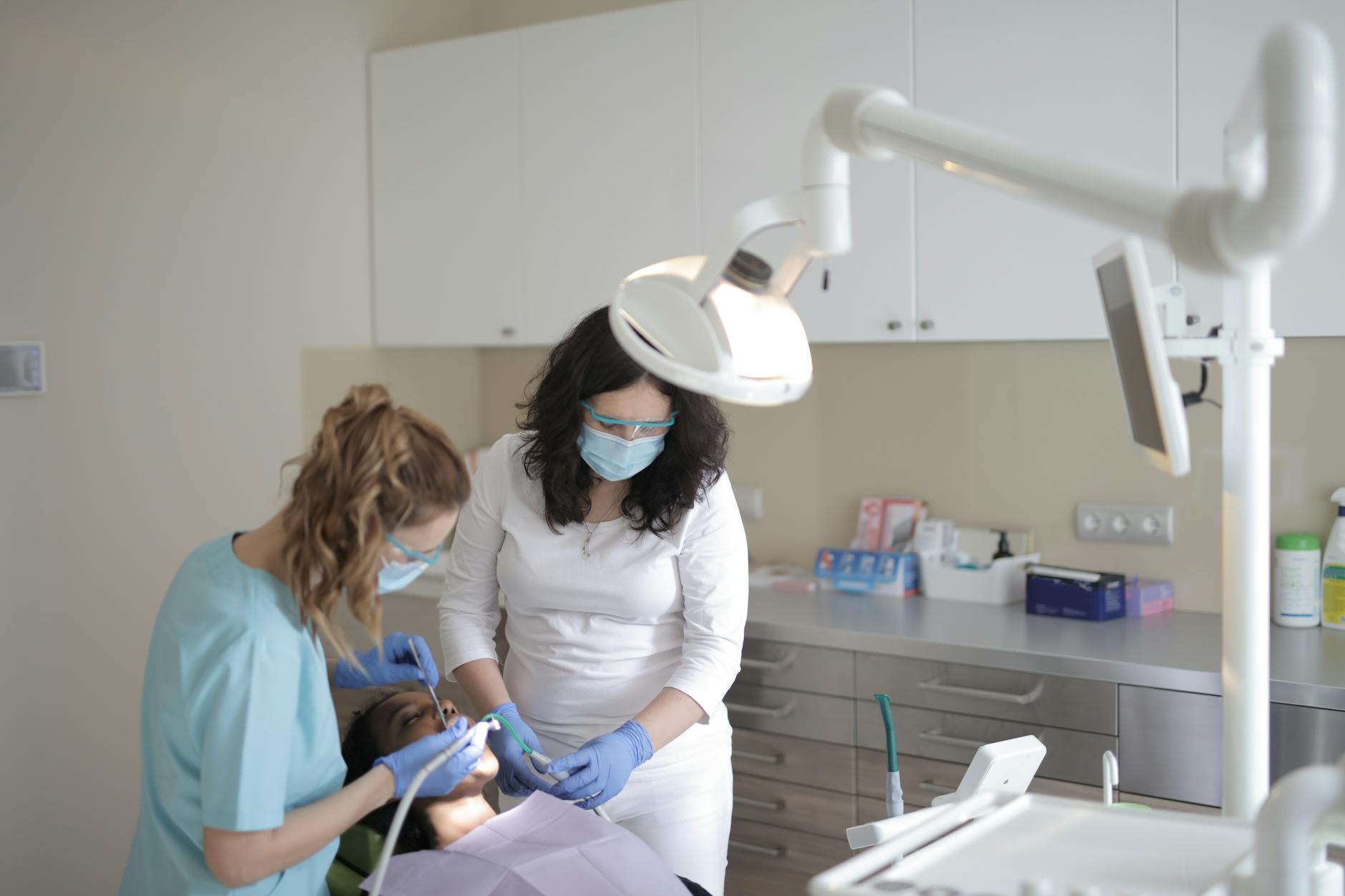
The Dental Gap: Cleanings, Fillings, and Dentures
Original Medicare doesn’t cover routine dental care. That means:
- Preventive cleanings and exams — not covered
- Fillings, crowns, and root canals — not covered
- Dentures and implants — not covered
There is a narrow exception: Medicare Part A covers dental services that are part of a hospital stay — for example, if you need jaw reconstruction after an accident. But for everyday dental care? You’re paying out of pocket.
The numbers can be steep. A simple extraction can run $150–$300 without insurance. Dentures range from $1,000 to $3,000 per arch. For retirees watching every dollar, these costs create a real problem.
The Vision Gap: Eye Exams and Glasses
Original Medicare covers one pair of eyeglasses — but only after cataract surgery. Routine vision care is a different story.
- Annual eye exams for glasses or contacts — not covered
- Eyeglasses or contact lenses (outside the post-cataract exception) — not covered
- Treatment for glaucoma or macular degeneration — covered, but the routine check-ups that catch these conditions early are not
This is a catch-22: Medicare covers the treatment for serious eye diseases, but not the preventive exams that help you catch them early. For people 65 and older, when the risk of glaucoma and macular degeneration rises, skipping annual eye exams isn’t a savings — it’s a gamble.
The Hearing Gap: Exams and Hearing Aids
Hearing loss affects roughly one in three adults over 65, according to the National Institute on Aging. Yet Original Medicare doesn’t cover:
- Routine hearing exams — not covered
- Hearing aids — not covered (they can cost $2,000 to $7,000 per pair)
- Fitting and adjustment services — not covered
Medicare Part B does cover diagnostic hearing tests ordered by a doctor, but the day-to-day reality — the exams that help you stay connected to your family and community — aren’t included.
What About Medigap (Medicare Supplement)?
Many people assume Medigap (Medicare Supplement) plans fill all of Original Medicare’s gaps. That’s a common misconception. While Medigap plans help cover out-of-pocket costs like copays, coinsurance, and deductibles, none of the standardized Medigap plans cover dental, vision, or hearing services.
So if you’re on Original Medicare with a Medigap plan, those gaps remain.
How Can You Fill These Gaps?
You don’t have to accept these gaps as unavoidable. There are legitimate options available:
1. Medicare Advantage (Part C) Plans
Many Medicare Advantage plans bundle dental, vision, and hearing benefits into their coverage. Some include routine cleanings, eye exams, and even hearing aid allowances. The specifics vary by plan and by area, so it’s worth comparing what’s available where you live.
2. Standalone Dental, Vision, and Hearing Plans
You can purchase separate insurance policies specifically for dental, vision, and hearing care. These are private insurance plans that supplement what Original Medicare doesn’t cover.
3. Discount Plans
Some dental and vision discount plans offer reduced rates at participating providers. They’re not insurance, but they can lower your out-of-pocket costs for routine care.
4. State and Local Programs
Some states offer dental and vision assistance programs for low-income seniors. Check with your state’s insurance department or Area Agency on Aging to see what’s available in your area.
Why This Matters for Fixed-Income Retirees
For the roughly 50 million Americans on Medicare, dental, vision, and hearing aren’t optional — they’re essential to maintaining quality of life. The inability to chew properly affects nutrition. Untreated vision problems increase fall risk. Hearing loss is linked to isolation and cognitive decline.
When Original Medicare leaves these gaps, seniors on fixed incomes face a difficult choice: pay out of pocket or go without. Neither is ideal.
The good news is that you have options. The key is knowing what Original Medicare covers — and what it doesn’t — so you can make informed decisions about your health.
How Trek Insurance Solutions Can Help
At Trek Insurance Solutions, we help people navigate the sometimes-confusing landscape of Medicare and health insurance. We work with clients to understand their options and find coverage that fits their needs and budget.
Whether you’re turning 65, already on Medicare and wondering about gaps, or helping a family member sort through their choices, we’re here to help you find the path forward.
888-960-0442 · trekis.net · Licensed in multiple states.
Trek Insurance Solutions is a Third-Party Marketing Organization (TPMO). We do not offer every plan available in your area. Any information we provide is limited to those plans we do offer in your area. Please contact Medicare.gov or 1-800-MEDICARE to get information on all of your options.