
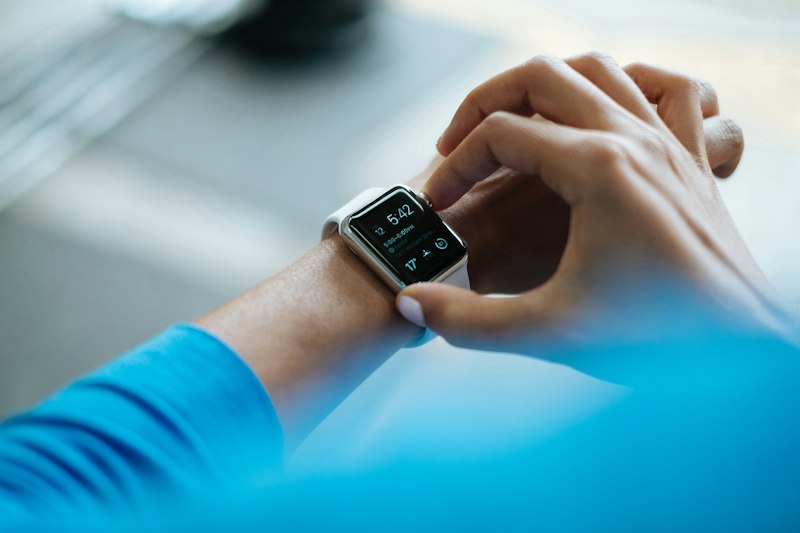
In 2025, wearable technology and biohacking are no longer niche interests — they are mainstream health tools. From continuous glucose monitors (CGMs) worn by health optimizers to Oura Rings tracking sleep patterns and smartwatches monitoring heart rate variability, more Nebraskans than ever are using technology to understand and improve their health.
But a common question arises: does your health insurance cover these devices and interventions?
The Short Answer
The line between medical device and lifestyle accessory determines whether insurance covers it. If a device is prescribed by a physician to diagnose or manage a specific medical condition, it is more likely covered. If it is purchased by a consumer for general wellness or optimization, it is typically an out-of-pocket expense.
What Insurance Typically Covers
Continuous Glucose Monitors (CGMs)
Insurance plans — including Medicare — cover CGMs for individuals diagnosed with diabetes who require insulin or have difficulty managing blood glucose levels. Some plans are expanding coverage to include prediabetes.
Cardiac Monitoring Devices
Smartwatch features like ECG (electrocardiogram) and atrial fibrillation detection have gained medical recognition. If your doctor prescribes monitoring based on symptoms or risk factors, some of the cost may be covered.
Remote Patient Monitoring (RPM)
Medicare and many commercial plans cover RPM programs where a physician prescribes devices to track vital signs, blood pressure, weight, or blood glucose for chronic condition management.
Sleep Apnea Devices
CPAP machines and related diagnostic devices are covered when prescribed following a formal sleep study. Consumer sleep trackers are not covered.
What Insurance Does Not Cover
- Consumer fitness trackers and smartwatches purchased for wellness
- Nutraceuticals, supplements, and nootropics marketed for biohacking
- Genetic testing for lifestyle optimization (non-diagnostic)
- Cryotherapy, IV therapy, and red light therapy for general wellness
Why This Matters in 2025
The wearable tech market continues to grow, and insurance carriers are paying attention. Some trends to watch:
- Wellness incentives: Many health plans now offer premium discounts or rewards for meeting step goals
- Employer programs: Nebraska employers increasingly offer wellness programs that subsidize wearable devices
- Preventive integration: As research validates the preventive value of continuous health monitoring, coverage boundaries may shift
What Nebraska Residents Should Know
Trek Insurance Solutions helps Nebraska residents understand what their health plans cover — and what they do not. If you are considering a wearable device or biohacking intervention, we can help you review your policy’s covered benefits and preventive services.
For more information on Trek Insurance Solutions, call 888-960-0442 or visit our website at trekis.net.